
Automakers Built Ever-Larger Trucks. Can Cheap, Small Pickups Make a Comeback?
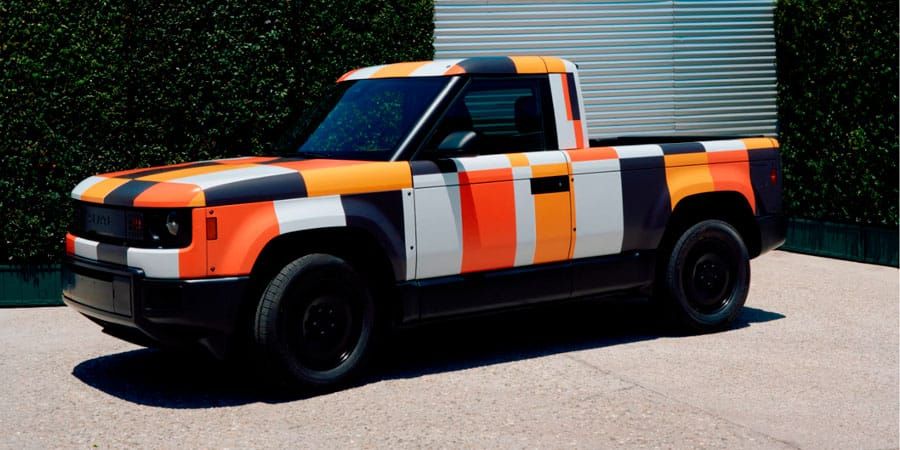
After disappearing from the U.S. market, compact trucks are showing signs of life again
If you want to buy a pickup truck in the U.S. these days, you mostly play by one rule: Go big or go home.
Gone are the days when buyers could choose from an array of compact, low-price trucks like the Chevrolet S-10 or the Dodge Ram 50. A decade ago, automakers abandoned their small pickups, opting instead to lean in to more expensive trucks that were bigger, longer, heavier—and more profitable.
Now, they are curious to find out: Will buyers consider a small pickup truck again?
Slate Auto, a Jeff Bezos-backed startup, will sell a roughly $25,000 all-electric truck later this year that is smaller than a Toyota Corolla. Next year, Ford Motor plans to introduce a four-door, somewhat larger EV truck starting at $30,000. Ram, the pickup brand owned by global automaker Stellantis, aims to bring a compact pickup called the Rampage currently sold in South America to the U.S.
“There is a space at the bottom of the market for these smaller vehicles,” said Sam Fiorani, vice president of consulting firm AutoForecast Solutions.
Space is one thing. But whether demand will be there is the question.
Over 20 years ago, compact pickups with two seats and a single cab—meaning little to no space behind the driver and passenger—represented about 4% of all pickup sales in the U.S., according to car-shopping resource Edmunds.
The lone success story in recent years has been Ford’s Maverick four-door pickup, introduced in 2021. The Maverick reset the standard of what’s considered compact: the bed is shorter than the one-size-up Ranger, but it remains longer than tiny trucks from prior generations.